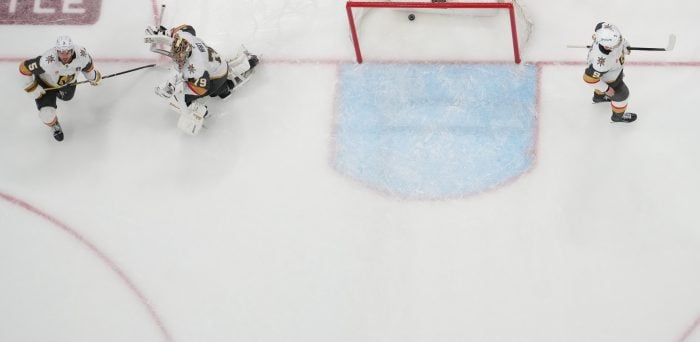
The Atlantic Division was one of the most competitive in the NHL last season, and it should be no different in 2026-27. Teams in the Atlantic have loaded up this offseason, which should make for an ultra-competitive playoff race next season. Let’s look around the division, what changes teams have made, and how the standings could play out.
Toronto Maple Leafs
- Additions: Jack Roslovic, Colton Sissons, Darren Raddysh, Emil Andrae, Brandon Duhaime, Gavin McKenna, Teddy Blueger, Nick Paul, Sergei Bobrovsky
- Subtractions: Joseph Woll, Dennis Hildeby, Matias Maccelli, Nick Robertson, Calle Jarnkrok, Simon Benoit
The Maple Leafs had a disappointing season in 2025-26. Some of it was performance-related. Some of it was due to injuries. But there’s no doubt they didn’t live up to expectations, especially since they won the Atlantic in 2024-25.
They were always going to regress from their 2024-25 season, but I’m not sure anyone expected an eighth-place finish in the Atlantic. That led to wholesale changes to the Maple Leafs’ roster, front office, and coaching staff. John Chayka had a busy first offseason as a GM, with multiple additions and subtractions.
The Maple Leafs’ group of skaters does look improved. Darren Raddysh and Emil Andrae should add some much-needed puck-moving ability on the back end. Up front, the bottom six should be improved defensively. Even offensively, someone like Jack Roslovic should add a bit more scoring punch.
The wild card is Gavin McKenna, who was the first overall pick in the 2026 draft. It’s hard to project how much of an impact he’ll have as a rookie, but he probably won’t be a liability, especially if he earns top-six minutes out of the gate.
Where I struggle with the Maple Leafs is what Chayka did in net. They’d probably be one of the more improved teams in the NHL this offseason if it weren’t for how Chayka approached goaltending. Sergei Bobrovsky turns 38 in September and was worth a wins above replacement (WAR) of -1.6 last season. Meanwhile, Joseph Woll and Dennis Hildeby were worth a combined WAR of 3.5.
The Maple Leafs will need Anthony Stolarz to rebound after an injury-plagued 2025-26, since I’m unsure how much you can trust Bobrovsky at this point in his career. Because Bobrovsky may be in decline, this team might only be marginally improved, and that might not be enough to make up ground in a loaded Atlantic Division.
Florida Panthers
- Additions: Jacob Markstrom, Akira Schmid, Brady Tkachuk, Lars Eller, Sam Lafferty, Radko Gudas
- Subtractions: Jesper Boqvist, Evan Rodrigues, Mackie Samoskevich
The Panthers may have finished seventh in the Atlantic last season, but better health will go a long way for them. Aside from better health, GM Bill Zito made some significant changes to a roster that needed a bit of a reset.
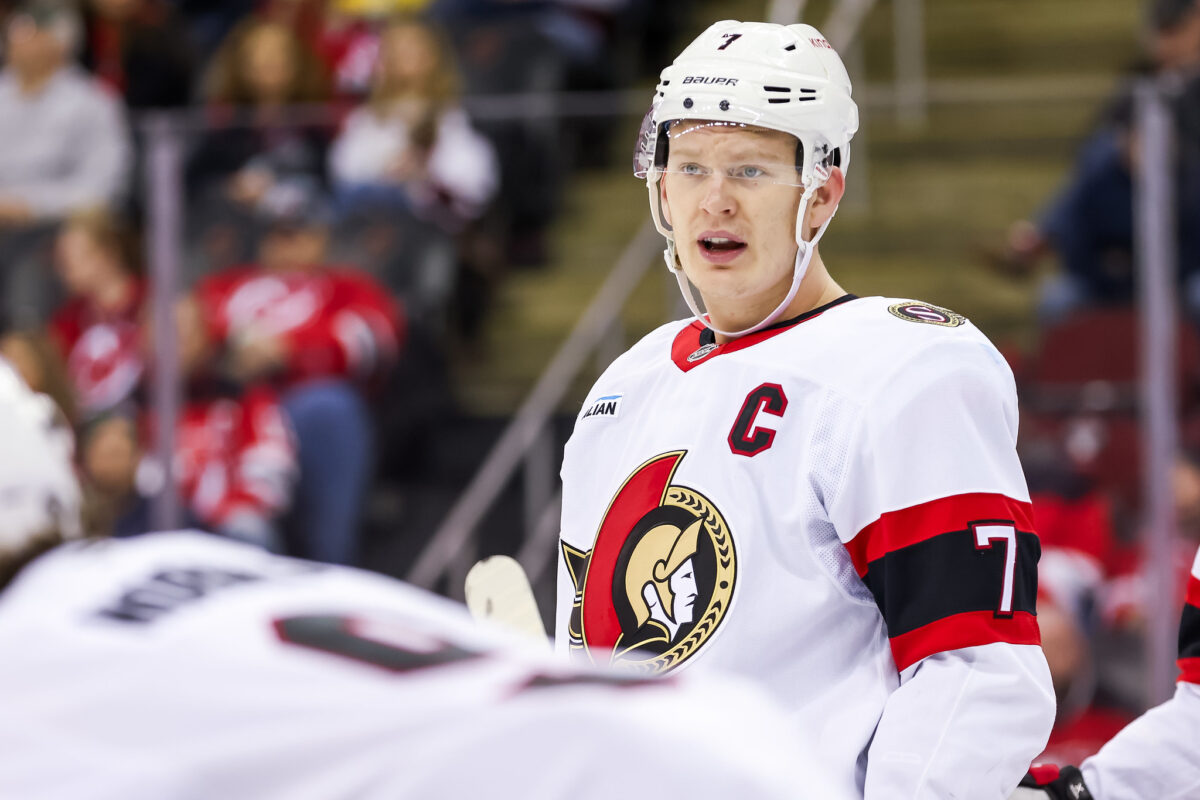
Brady Tkachuk is the Panthers’ most notable addition. He was worth a WAR of 1.4 last season and should be an excellent complement for the Panthers’ top six. He also won’t have to be the team’s top option up front, as he was with the Ottawa Senators. He should fit in better with the Panthers as a result.
Zito also redid the Panthers’ goaltending tandem, acquiring Akira Schmid from the Vegas Golden Knights and Jacob Markström from the New Jersey Devils. Schmid was quietly solid as a backup last season, totaling a WAR of 1.6. Markström struggled with the Devils, totaling a WAR of -1, but he might be a slight upgrade over Bobrovsky.
The Panthers did lose some solid depth players in Evan Rodrigues, Mackie Samoskevich, and Jesper Boqvist, but their top nine is still loaded. They should be back in the race for first place in the Atlantic, as long as they can stay healthy.
Detroit Red Wings
- Additions: Viktor Arvidsson, Keegan Kolesar, Daniil Tarasov
- Subtractions: Patrick Kane, James van Riemsdyk
Is there a team in NHL purgatory more than the Red Wings? I don’t think so, and that’s part of why ownership moved on from GM Steve Yzerman in mid-July. The timing of that move was odd, though, since he ran the draft and free agency.
I can’t say Yzerman helped the Red Wings much this summer. However, he didn’t make them worse, which pretty much sums up the final few years of his GM tenure. Viktor Arvidsson is coming off a 25-goal, 54-point season with the Boston Bruins and should add some top-six scoring for a Red Wings team that needed it. He was worth a WAR of 2.1 last season, so he should help.
Daniil Tarasov was perfectly fine as Bobrovsky’s backup last season and should complement John Gibson well. Keegan Kolesar will add a bit of grit to the Red Wings’ bottom six, too. But the team’s subtractions, Patrick Kane and James van Riemsdyk, are worth noting, too. They lost some scoring punch by not retaining either player.
The Red Wings’ offseason hasn’t been awful, but it doesn’t appear it’s been good enough to propel them up the Atlantic standings. Plus, there’s still plenty of uncertainty surrounding Dylan Larkin. If a new front office honors his trade request, the Red Wings would likely be the worst team in the Atlantic next season. Even with him, it’s hard to envision a scenario where they’re much better.
Ottawa Senators
- Additions: William Eklund, Andre Burakovsky, Sam Ersson
- Subtractions: Brady Tkachuk, Nick Jensen
The Senators snuck into the playoffs last season, but were swept by the eventual Stanley Cup champion Carolina Hurricanes in the first round. That led to some changes this offseason, but not necessarily ones they wanted to make.
With no intention of re-signing once his contract expires in two years, the Senators decided to trade Tkachuk to the Panthers. They received three first-round picks, one of which was the ninth overall pick that they flipped for William Eklund ahead of the 2026 draft in June.
Eklund is not Tkachuk, but he’s a strong five-on-five player with excellent playmaking ability. He should be a complement for a finisher like Drake Batherson, but I’m not all that high on the rest of the Senators’ offseason.
Sam Ersson is one of the weaker backup netminders in the NHL, while Andre Burakovsky isn’t the scoring winger that he used to be. The Senators barely made the playoffs last season, and it wouldn’t be a shock if they take a slight step back in 2026-27. This team does look weaker on paper.
Boston Bruins
- Additions: JJ Peterka, Connor Clifton, Will Borgen
- Subtractions: Viktor Arvidsson, Joonas Korpisalo
This might rub some Bruins fans the wrong way, but the team certainly overachieved last season. They were one of the worst five-on-five teams in the NHL, finishing with an expected goals share (xG%) of 46.66 percent. I don’t think they did enough this summer to stave off regression that’s coming for them next season, either.
To replace Arvidsson, they acquired JJ Peterka in a trade with the Utah Mammoth. He spent just one season in Salt Lake City, posting a modest 25 goals and 47 points in 82 games. He was worth a WAR of 0 last season, so he’ll likely be a downgrade from Arvidsson.
Will Borgen and Connor Clifton will add some defensive depth, but the Bruins are more or less running back the same roster. Jeremy Swayman’s elite goaltending, plus some elite finishing, helped the Bruins overachieve last season. But that formula is generally not a recipe for success from year to year if there isn’t improvement at five-on-five.
Montreal Canadiens
- Additions: N/A
- Subtractions: Brendan Gallagher
It’s August, so this may be it for the Canadiens’ offseason, but it’s been an extremely quiet summer. They have not made any notable additions, and their biggest subtraction was trading Brendan Gallagher to the Vancouver Canucks.
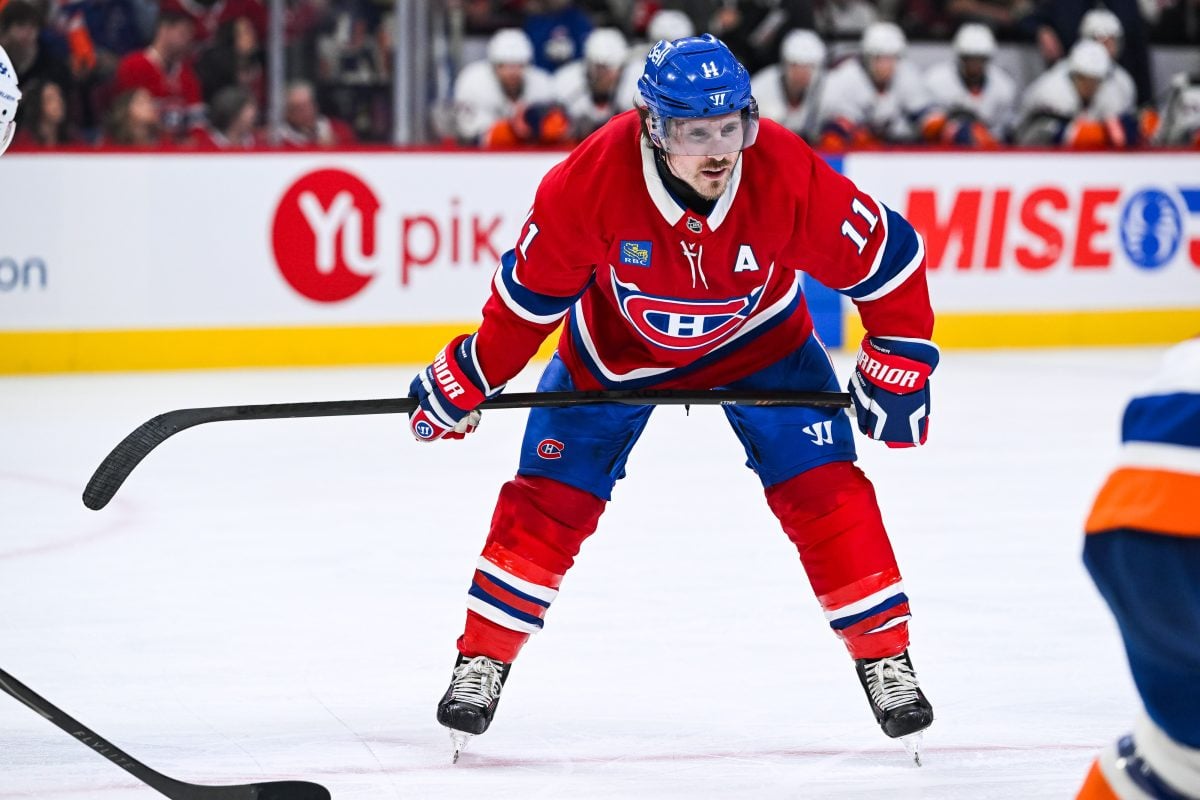
Gallagher was worth a WAR of -0.6 last season. While they will miss his presence in the locker room, he’s not the player he used to be on the ice. Otherwise, the Canadiens will run back the core that got them to the Eastern Conference Final.
They also have a strong prospect pool and could have top prospects such as Adam Engstrom provide a boost. Even though the Canadiens stood pat this offseason, this should still be a competitive team in 2026-27.
Tampa Bay Lightning
- Additions: John Carlson, Ilya Mikheyev, Dennis Hildeby, Jeffrey Viel
- Subtractions: Darren Raddysh, Oliver Bjorkstrand, Nick Paul, Jonas Johansson
The Lightning had a disappointing end to a fantastic regular season, falling to the Canadiens in the first round of the playoffs. They’ve made a few changes, hoping to avoid the same fate as they did last season.
Their most notable addition was signing John Carlson to replace Raddysh on the right side of their blue line. Carlson is still among the best offensive defensemen in the NHL, and he signed just a two-year, $8.5 million AAV deal, significantly cheaper than what Raddysh signed with the Maple Leafs. Carlson’s play was worth a WAR of 2.5 last season, so he still has plenty of juice. He may even be an upgrade over Raddysh.
Hildeby should also be a significant upgrade in net over Jonas Johansson. The Lightning have not had a quality backup for Andrei Vasilevskiy for quite some time, but that should change with Hildeby. The Lightning can rest Vasilevskiy more often during the regular season, keeping him fresher for the playoffs.
Buffalo Sabres
- Additions: Olen Zellweger, Louis Crevier, David Kampf, Conor Sheary
- Subtractions: Alex Tuch, Bowen Byram, Michael Kesslering, Jordan Greenway, Conor Timmins
The Sabres lost a couple of notable players off their roster this offseason, but I can’t say I blame them for letting Alex Tuch and Bowen Byram go. Tuch signed an eight-year, $10.5 million AAV deal with the Washington Capitals via a sign-and-trade, while Byram agreed to a six-year, $12.5 million AAV deal with the Blackhawks after the Sabres traded him to Chicago.
It did not make sense for the Sabres to pay either player, but they should be fine without them. Olen Zellweger has breakout potential and could fill Byram’s role as the season progresses, while internal replacements such as Noah Ostlund and Jiri Kulich could make up for Tuch’s loss.
The Sabres are a bit of a worse team today than they were at the end of the season, but they should still be a playoff team. It just may not come with the Atlantic Division crown again.
Predicting the Atlantic
So what will the Atlantic Division look like next season? Sorry, Red Wings fans, but they look headed for an eighth-place finish. That’s not to say the bottom will fall out. They’ll likely finish with 80+ points, though that could change if they trade Larkin.
At the top, the Panthers are on bounce-back watch. They and the Lightning look like the two favorites in the division, but the Panthers may take the crown next season.
The Bruins and Senators fall out of the playoff picture, but it won’t be by much. Each team should push for 85-90 points and be in the mix, but the top half of the Metropolitan Division improving may give them four playoff teams next season.
The Maple Leafs should be in the same tier as the Bruins and Senators, but their goaltending situation spooks me. I think it will cost them some points in the standings and keep them just on the outside looking in.
- Panthers – 106 points
- Lightning – 103 points
- Sabres – 99 points
- Canadiens – 98 points WC1
- Senators – 90 points*
- Maple Leafs – 89 points*
- Bruins – 85 points*
- Red Wings – 83 points*
*eliminated
Advanced stats from Evolving Hockey and Natural Stat Trick
Free Newsletter
Get Season Previews coverage delivered to your inbox
In-depth analysis, breaking news, and insider takes - free.
Subscribe Free →