Any chance of the NHL salary cap increasing substantially for the 2020-21 season is dead.
The COVID-19 pandemic, which forced the league to pause the 2019-20 season in March, has done a number on its pocketbook. Just a couple weeks before everything ground to a halt, the NHL got general managers around the league salivating by announcing the cap would raise to between $84 and $88.2 million dollars for the 2020-21 season.

Obviously, with the massive losses due to no broadcasts, no advertising revenue, and no ticket sales — and the uncertainty surrounding when it’ll be safe for fans to attend games again —that rise won’t happen. The modified CBA shows the cap will stay flat at $81.5 million for the next two seasons.
The NHL’s 24-team play-in playoff format — slated to begin Aug. 1 — will help them avoid losses reaching $1 billion, but the deficit will still be deep.
Jets in Better Position Than An Offseason Ago
Despite a flat cap, the Jets are still well-positioned to flourish when Free Agent Frenzy does finally come sometime in October.
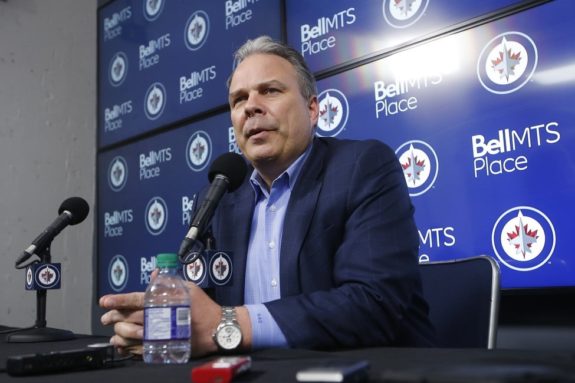
In 2019-20, Jets’ GM Kevin Cheveldayoff had more good players than he could afford to pay. His team was right at the cap ceiling and had just experienced a disappointing first-round playoff exit. A mass exodus ensued, with Ben Chiarot, Jacob Trouba, Tyler Myers, and Brandon Tanev all heading off to greener pastures.

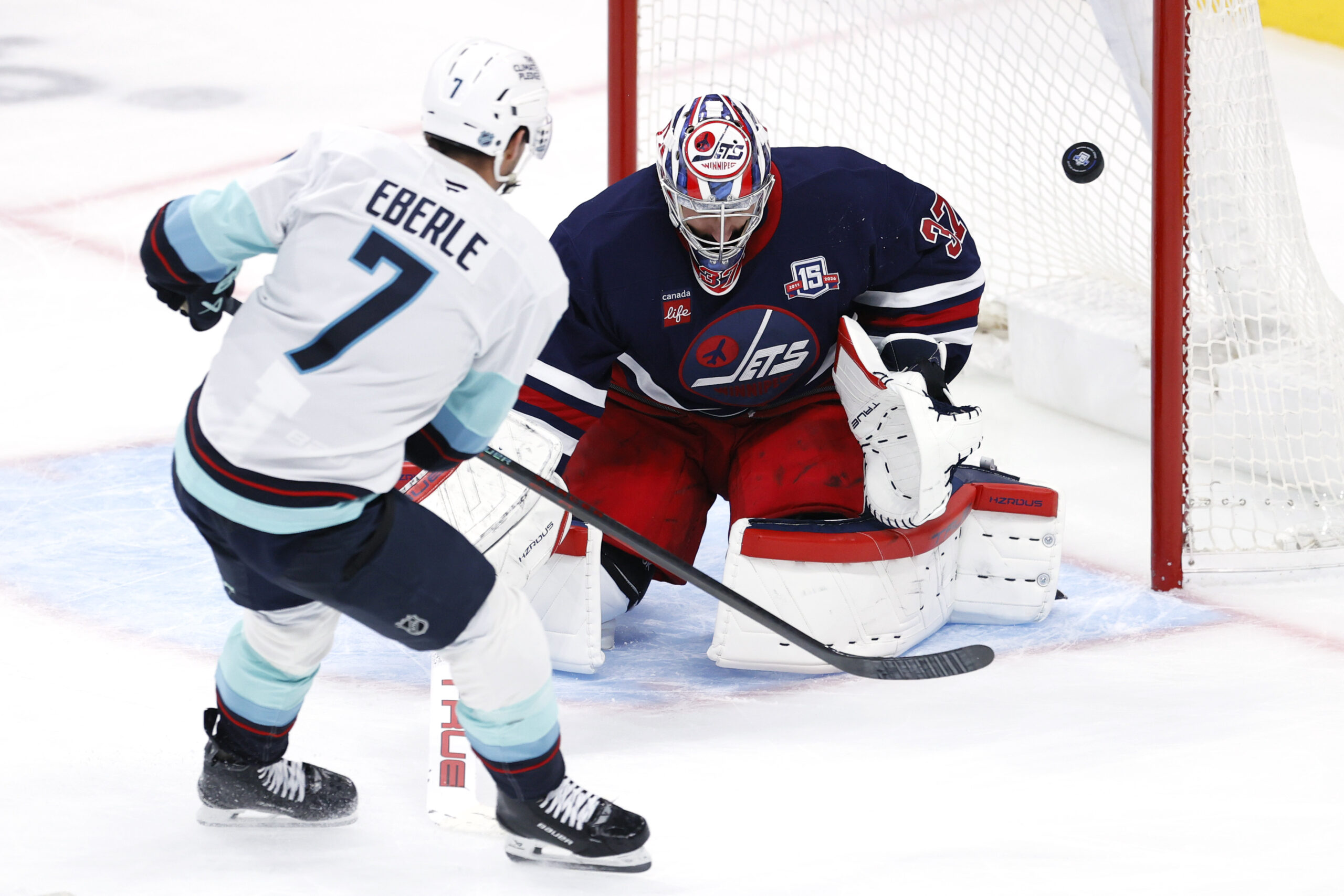
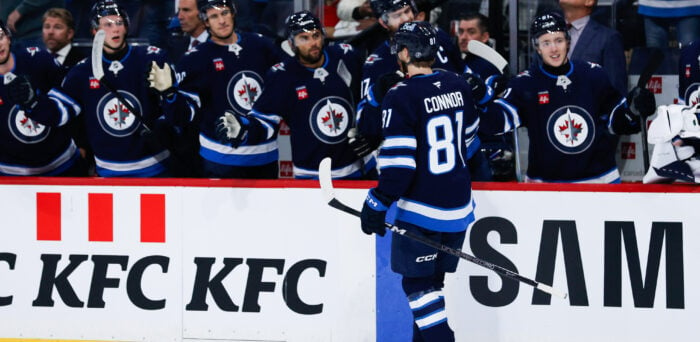
(Amy Irvin / The Hockey Writers) 
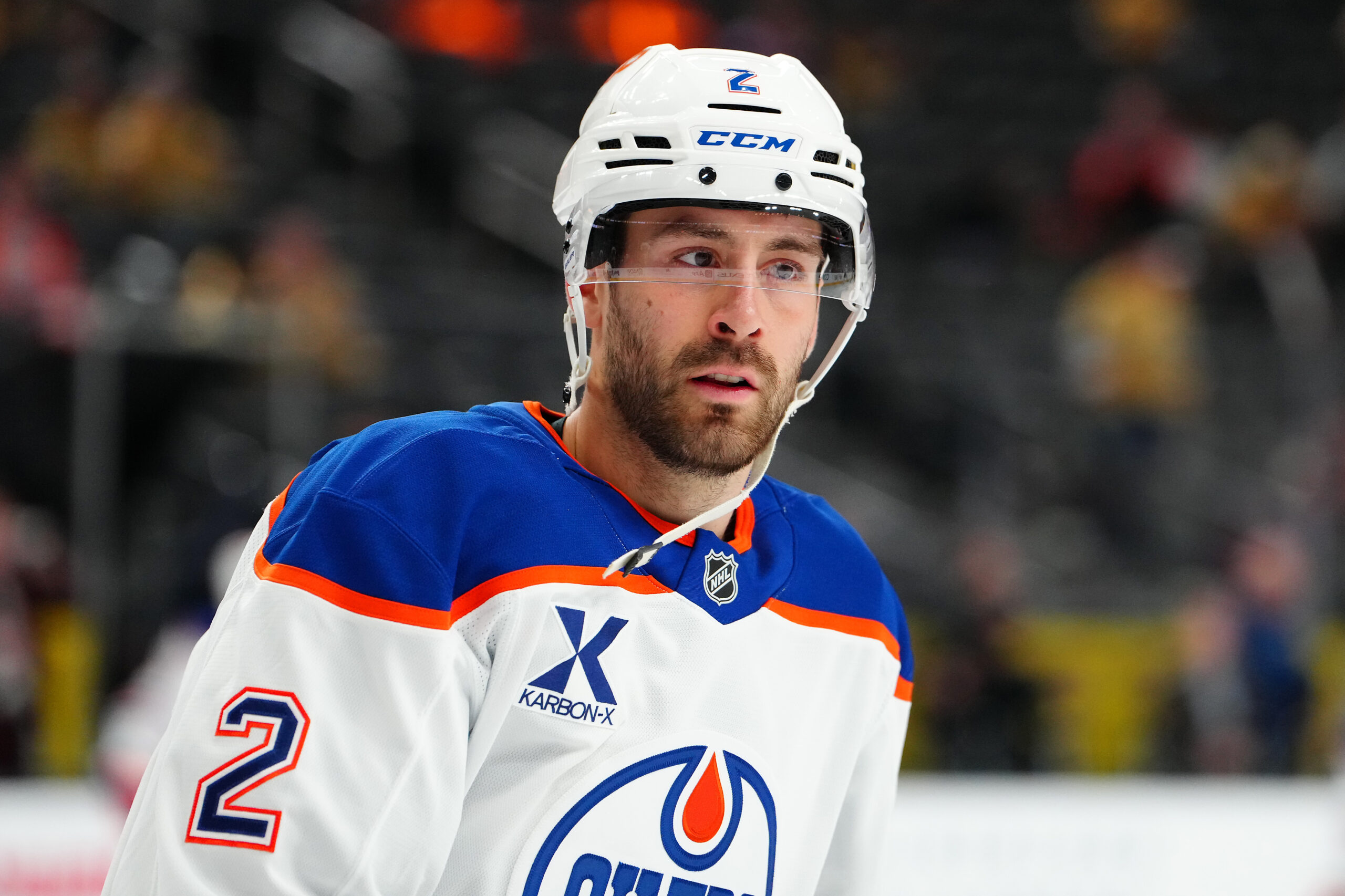
(AP Photo/Kyusung Gong) 
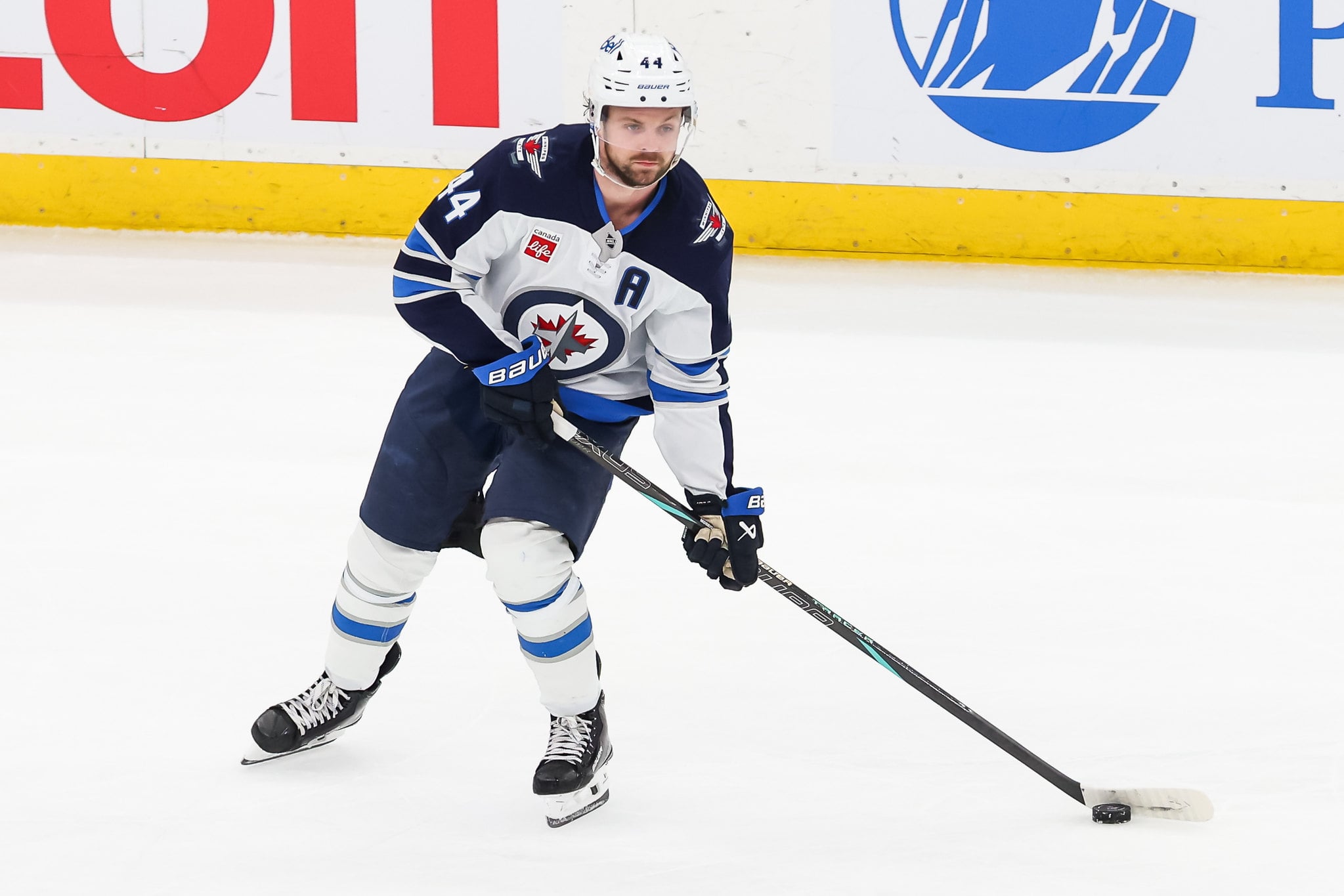
(Amy Irvin / The Hockey Writers) 
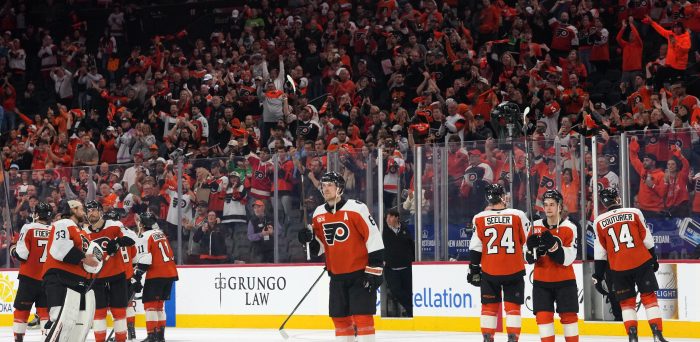
(Amy Irvin / The Hockey Writers)
That was just the beginning of a very trying offseason for Cheveldayoff. He couldn’t afford any appropriate replacements as he needed all the funds at his disposal to pay RFA stars Kyle Connor and Patrik Laine, who both held out all summer long (both young guns ended up inking just before the season began, Connor a massive seven-year contract and Laine a more modest prove-yourself two-year bridge deal.)
Questionable contracts issued to Dmitry Kulikov, Bryan Little and Mathieu Perreault were also factors in Cheveldayoff’s inability to ink a veteran defenseman; Dustin Byfuglien’s sudden September decision to not report to training camp and instead sit around tying up $8 million — which he’d have to be paid if he decided to come back — compounded matters even further. Cheveldayoff was unable to do anything other than pick up scraps from the waiver wire throughout the season.
Jets Can Still Get Their To-Do List Done
After an exceedingly strange and excruciating season-long saga, the Jets finally got the rogue d-man is their books, reaching an agreement in April to terminate the 35-year-old’s contract. It sees “Big Buff” simply walk away from the last two years and $14 million left on his deal.
The Jets will also be shedding Kulikov’s albatross of a $4.3 million annual cap hit.
Shedding those two contracts alone gives Cheveldayoff more than $10 million with which to work. That’s be in addition to the $3.7 million he’s under the cap right now.

(THE CANADIAN PRESS/AP/Jeff Roberson) 
(AP Photo/Chris Carlson)
Cheveldayoff smartly skipped the February Trade Deadline, instead making a couple of deft, affordable deals shortly beforehand for Dylan DeMelo and Cody Eakin. By doing so, he gave his scrappy, resilient squad the immediate help they needed stay in a Western Conference Wild Card spot while avoiding playing jacked-up prices set by sellers looking to take advantage of teams with Cup dreams.
If they don’t get it right this fall, they will have absolutely no excuse.
Free Newsletter
Get Winnipeg Jets coverage delivered to your inbox
In-depth analysis, breaking news, and insider takes - free.
Subscribe Free →