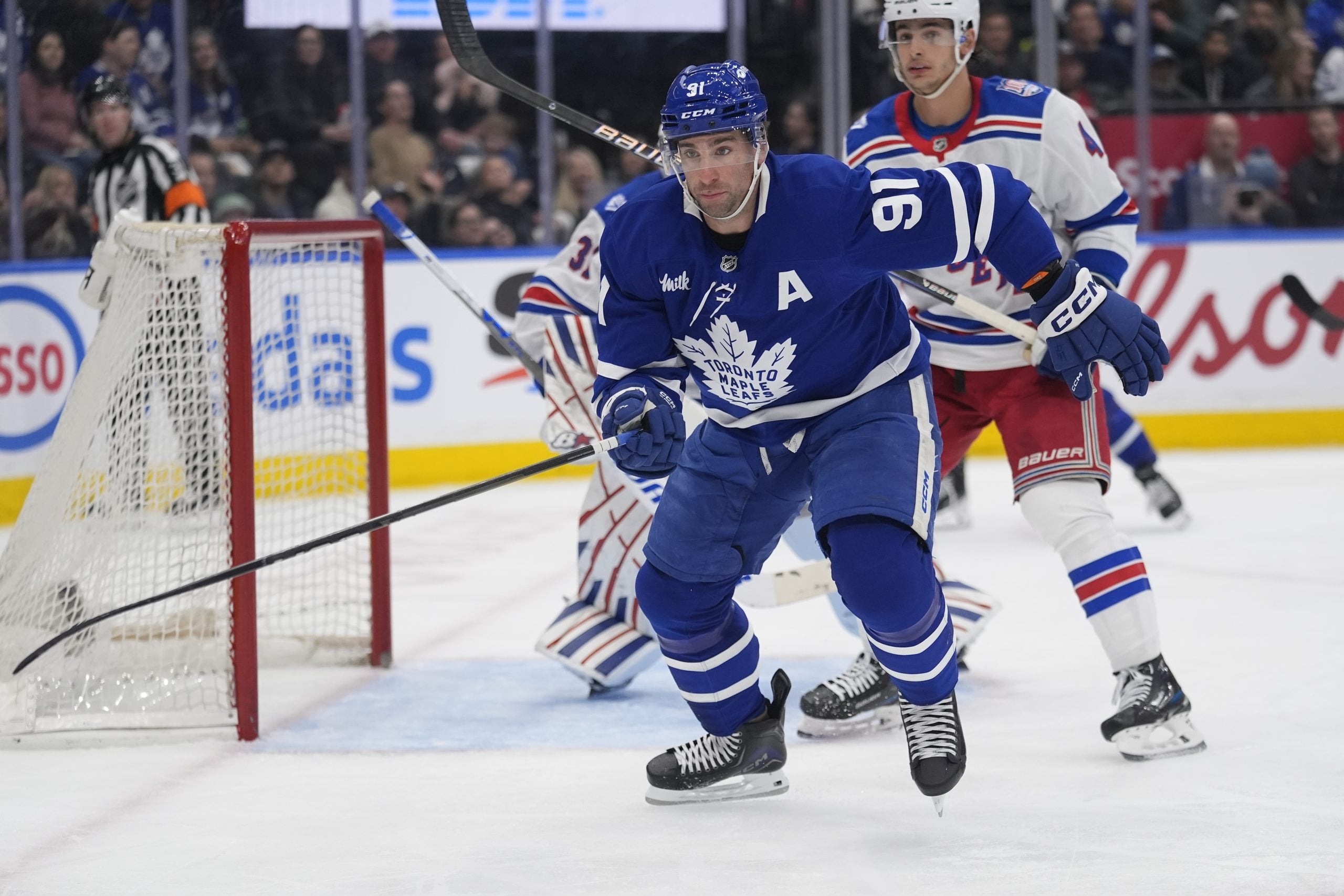
If you’ve been wondering why the reaction from Toronto Maple Leafs management seems oddly restrained, you’re not alone. Losses pile up, the power play sputters, Auston Matthews looks human for long stretches. Yet, no talk of a blockbuster move to save the season. According to Sportsnet’s Elliotte Friedman, the reason isn’t hesitation. Instead, it’s shock.
Friedman laid it out plainly on The FAN Hockey Show: the Maple Leafs did not see this coming. Not like this. Not this deep into the season. When an organization is surprised at its core, it doesn’t act fast — it stops, reassesses, and tries to understand what went wrong before making changes.
That context matters when trying to make sense of what Toronto has done, and just as importantly, what it hasn’t.
Firing Marc Savard Was the Easy Move
The dismissal of assistant coach Marc Savard on Dec. 22 wasn’t about blame so much as access. If you need to change something quickly, the power play is the lever you can pull without tearing up the foundation. Friedman pointed out that Matthews’ numbers with the man advantage are startling in the wrong way — three power-play goals, four power-play points, buried deep in league rankings.
Behind the scenes, that’s been the conversation. How do you get Matthews going? It isn’t just that he’s not scoring; he’s also not impacting games the way he usually does. The belief inside the organization seems to be that the power play was the cleanest intervention available. Fire the assistant, reshuffle the setup, and hope it sparks something.
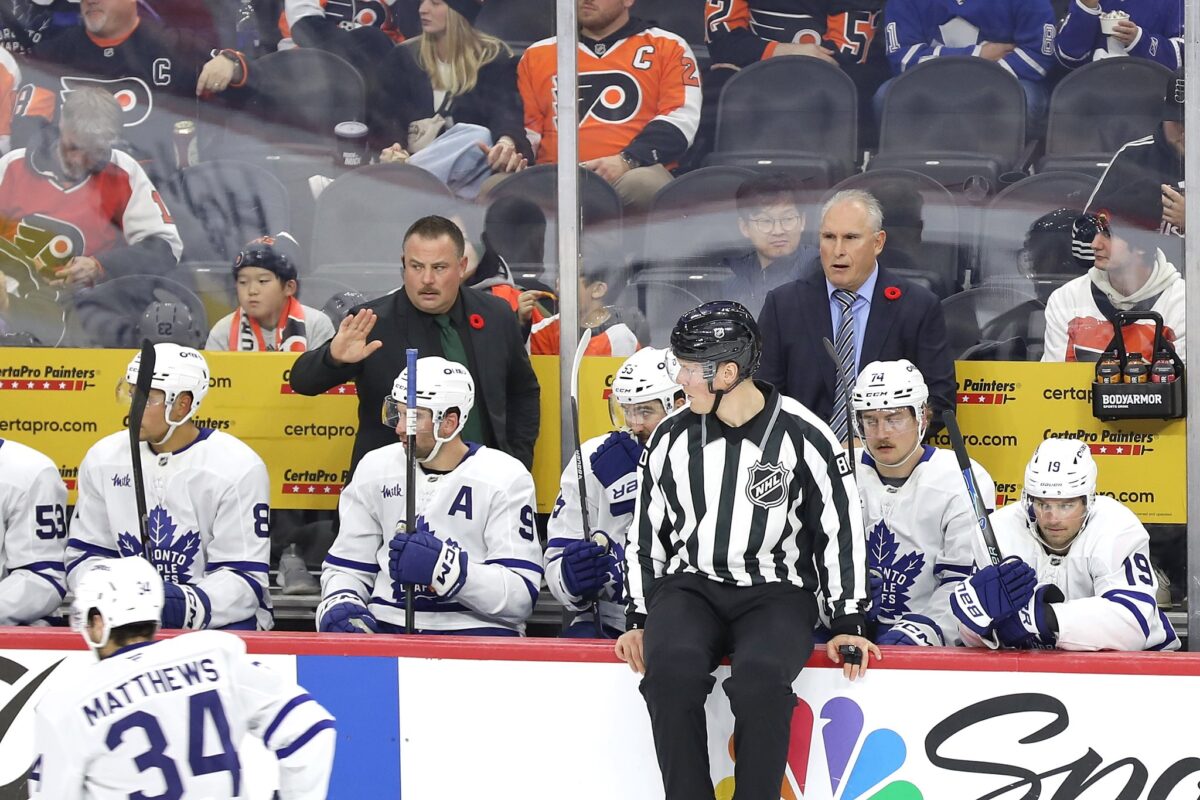
No one is pretending that fixes everything. But it’s the fastest move that doesn’t mortgage the future.
Why There’s No Rush from the Maple Leafs to Do More
Friedman was also clear on what isn’t coming next: a panic trade. Not now. Probably not soon. Part of that is availability. Toronto has looked around. Everyone does. But there’s a difference between listening and acting, especially when the moves on the table are either cosmetic or expensive. The Maple Leafs aren’t interested in short-term fixes that cost real assets unless they fit into a long-term plan.
What’s certain is that this season hasn’t followed the script. Friedman suggested that if this had been anticipated — if there had been a contingency plan for sitting fifteenth in the Eastern Conference 35 games in — we might be seeing different behaviour. But there wasn’t. This wasn’t supposed to be a fork in the road year. Everyone in the Maple Leafs’ organization believed the team would take a run for the Stanley Cup. So instead of decisive action, you get deliberation.
The Maple Leafs’ Surprise Is the Biggest Story
This is the part that’s easy to miss. Fans assume poor play forces decisions. In reality, as Friedman pointed out, unexpected poor play often delays them. He had noted earlier in the week that the organization would have some tough conversations. Management needs time to figure out whether what they’re seeing is structural, cyclical, or just ugly variance.
Friedman referenced his experience working with Keith Pelley to underline the point. Pelley is not an executive who makes moves without a long-term rationale. If he doesn’t know where the road leads yet, he’s not turning the wheel.

That’s why the Maple Leafs seem stuck right now. They are not committing to a teardown and not doubling down on an all-in push. Instead, they are just watching, adjusting around the edges, and trying to figure out which version of the team is real.
What Happens If the Maple Leafs Keep Sliding?
Friedman didn’t dodge the hypothetical. If this truly goes off the rails — and by that he meant catastrophic, prolonged losing — then of course they will adapt. No plan survives that. But until then, Toronto is operating on the belief that reacting without clarity is worse than waiting through discomfort. That’s a hard sell in this market. Always has been.
If Friedman is correct, the Maple Leafs’ lack of movement isn’t denial. It’s uncertainty. The team is caught between expectation and evidence, trying to understand whether this season is a warning sign or just a bad stretch that arrived all at once. The Savard move was about speed and ease. Everything else requires understanding. Right now, understanding is the one thing Toronto lacks. And that’s why, for better or worse, nothing big is happening yet.
Free Newsletter
Get Toronto Maple Leafs coverage delivered to your inbox
In-depth analysis, breaking news, and insider takes - free.
Subscribe Free →