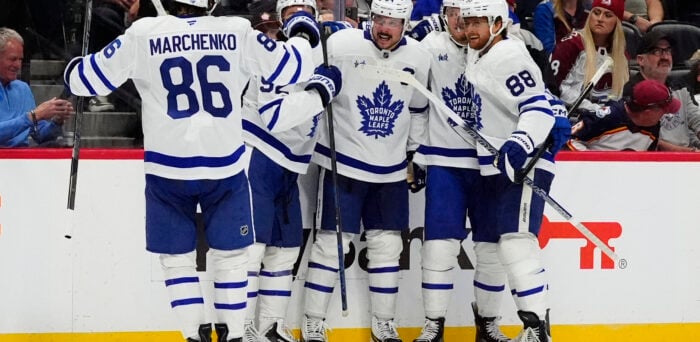
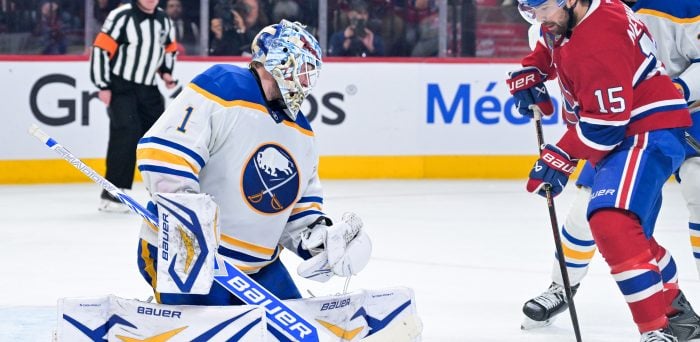
There is something a little funny about William Nylander talking about loyalty earlier this summer. Not because Nylander has done anything wrong, but because the Toronto Maple Leafs have spent the offseason making some pretty significant changes to the group he has spent most of his NHL career with. Mitch Marner is gone. The Core Four era is officially over. And Nylander, who has been a Maple Leaf since 2014, is now one of the longest-standing faces of the franchise.
So when Nylander talks about loyalty in sports, it naturally catches the attention of Maple Leafs fans. He was in Cannes, France, at SPORT BEACH, talking about what sports can teach businesses and brands about loyalty. He also talked about his growing presence outside of hockey, including his “Willy Styles” YouTube channel and how it lets fans see a different side of him. But underneath all of that was something rather interesting for Toronto. Nylander has already made his decision about where he wants to spend the next chapter of his career.
That got me thinking about what Nylander has become in Toronto. He isn’t simply one of the team’s best players anymore. He’s becoming one of its personalities, one of its recognizable faces and, whether he asked for the job or not, one of the players who will help define what this next version of the Maple Leafs looks like. And that brings us back to the loyalty question. Nylander has committed himself to Toronto for the next eight years, but what exactly has he committed to? Maybe the more interesting story isn’t just that Nylander chose to stay. It’s whether Toronto has finally built the kind of team that makes staying feel like the right choice.
William Nylander Talks Loyalty as His Maple Leafs Commitment Enters a New Chapter
Nylander talked about loyalty as something that affects sports, business, brands and relationships with fans. That’s a broad conversation, but it takes on a different meaning when you’re talking about a player who has just signed an eight-year, $92 million extension with the same team that drafted him.
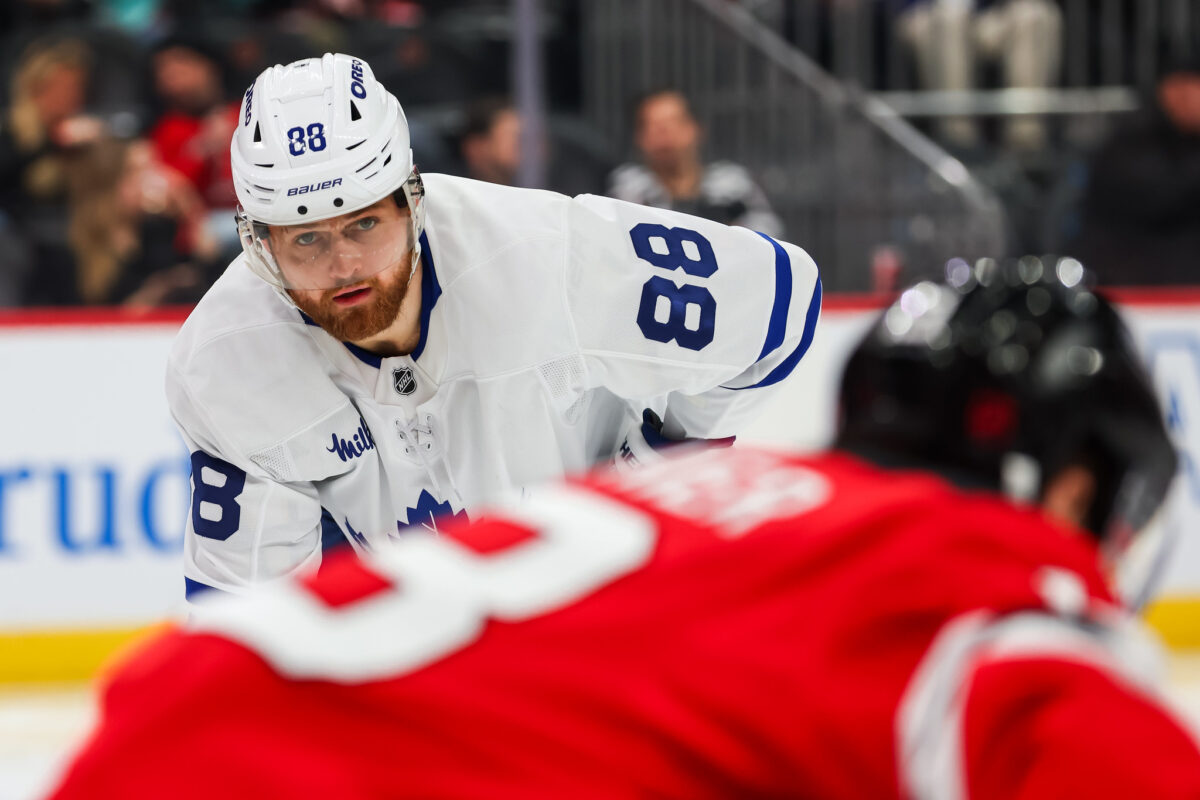
For Nylander, loyalty isn’t just an idea anymore. It’s a commitment. He has chosen to stay in Toronto for the next eight years, and he has done it at a fascinating moment in the franchise’s history. Marner has moved on to Vegas, while the Maple Leafs are trying to build something that looks quite different from the team that struggled through so many playoff disappointments.
Nylander is also becoming more comfortable with the idea of being a public face of the organization. His “Willy Styles” channel gives fans a glimpse of the person behind the hockey player, and the fact that some of that content includes Maple Leafs teammates makes the whole thing feel even more connected to Toronto.
Maybe that’s part of what loyalty looks like in the modern NHL. It isn’t simply signing a contract and showing up for work. Players are brands now. They’re personalities. They’re connected to fans in ways that didn’t exist when Nylander entered the league. And Nylander has chosen to keep building that relationship in Toronto.
Maybe the Maple Leafs Were Asking the Wrong Question All Along
Before last season’s poor performance, it seemed as though Toronto was conducting the world’s longest investigation into which star was responsible for the playoff failures. Was it Auston Matthews? Marner? Nylander? Tavares? Pick a name, and there was probably an argument waiting for you.
The funny thing is that hockey doesn’t really work that way. A team can have five very good players and still not have the right five players for the hockey it needs to play in April. That’s what makes the old Core Four discussion worth revisiting. There was never really one player standing in the middle of the crime scene holding the smoking gun. Some performed better than their reputations suggested. Some had disappointing stretches. But the problem was bigger than any one player.
Looking backwards, I’m wondering if maybe Toronto was asking the wrong question. Instead of asking which star needed to be better, perhaps the organization should have been asking what those stars needed around them. Someone has to get the puck out. Someone has to win the ugly battle along the boards. Someone has to defend when the pretty stuff stops working. Someone has to make the little play that keeps a shift alive. None of those things necessarily show up beside a player’s name in the box score.
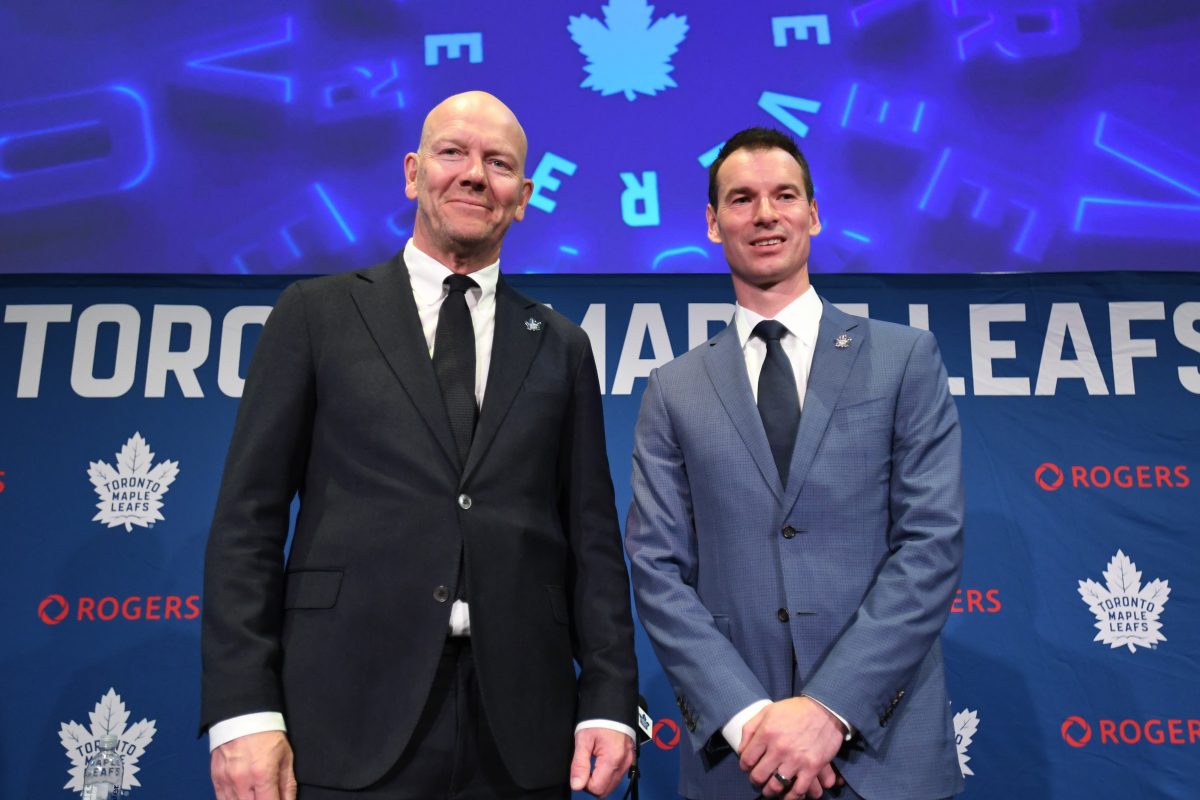
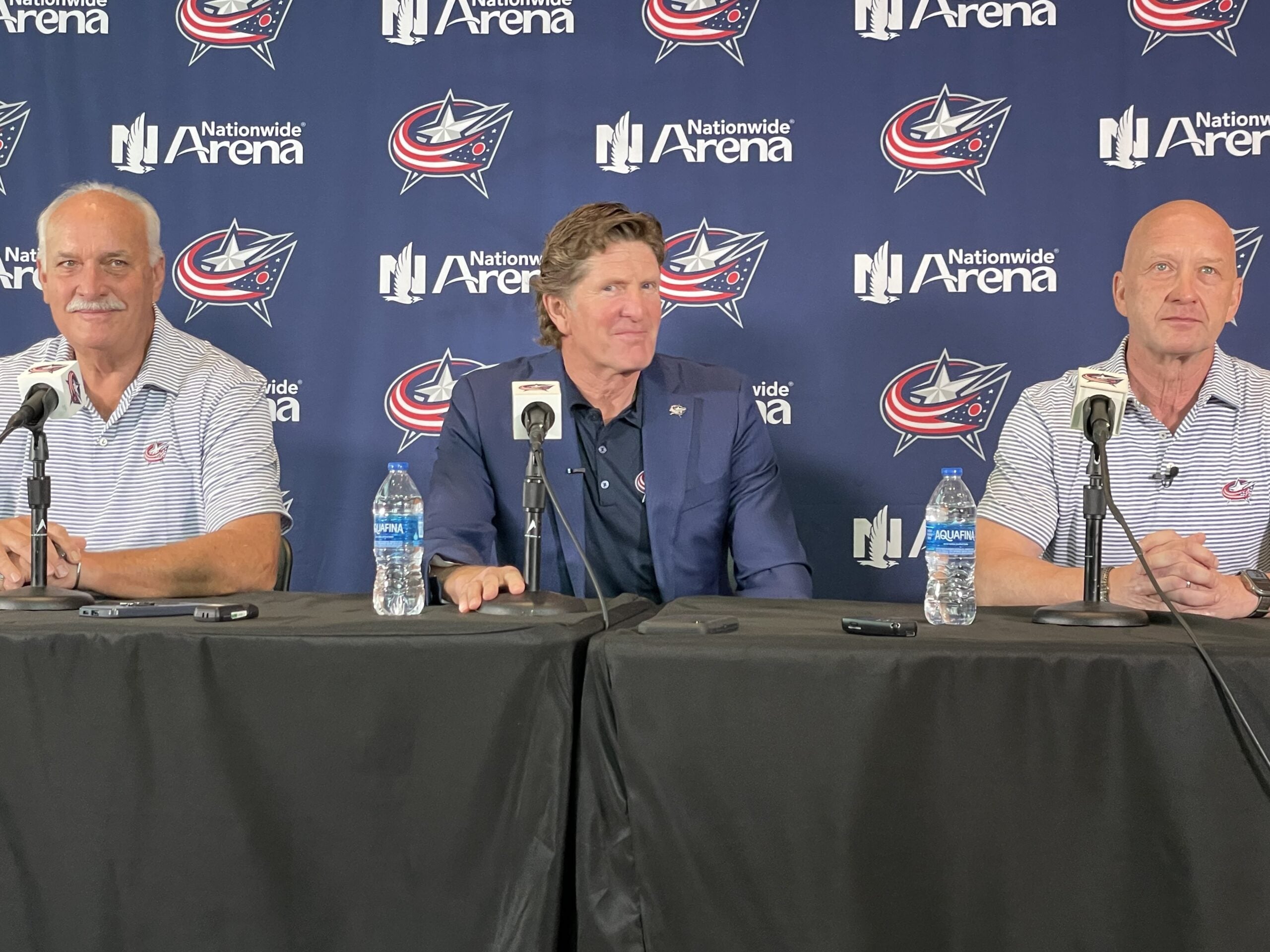
And this is where the current Maple Leafs are becoming interesting. John Chayka appears to be building more layers around his stars. More role players. More physicality. More defensive responsibility. More players who can do the things that become especially important when the ice gets smaller, and the games get harder.
Maybe the lesson from the old Core Five isn’t that Toronto had the wrong stars. Maybe the organization simply didn’t give those stars the right supporting cast. We’ll see this season whether that has changed, given Chayka’s unique role-driven approach to roster building.
The Maple Leafs Are Asking a Different Question Now
That’s why Nylander’s decision to stay feels bigger than just another contract extension. He is committing himself to a version of the Maple Leafs that hasn’t existed before: no more Marner, a reshaped roster and an organization that appears to have a different idea about what kind of team it needs to be.
There are no guarantees that this version will work. We’ve learned that lesson the hard way around here. But perhaps the most important change isn’t which star is still wearing the blue and white.
Maybe it’s that Toronto is finally asking a different question. Not, “Which one of our stars has to be better?” But, “What do we need to put around them so they can actually win?” Nylander has decided he wants to stay and find out. Now the rest of the Maple Leafs have to prove that staying was the right decision.
Free Newsletter
Get Toronto Maple Leafs coverage delivered to your inbox
In-depth analysis, breaking news, and insider takes - free.
Subscribe Free →