There is a different feeling around Auston Matthews and the Toronto Maple Leafs heading into this season. After two disappointing, injury-plagued seasons and Toronto’s first missed playoffs in a decade, there isn’t much room left for the organization to simply hope things get better.
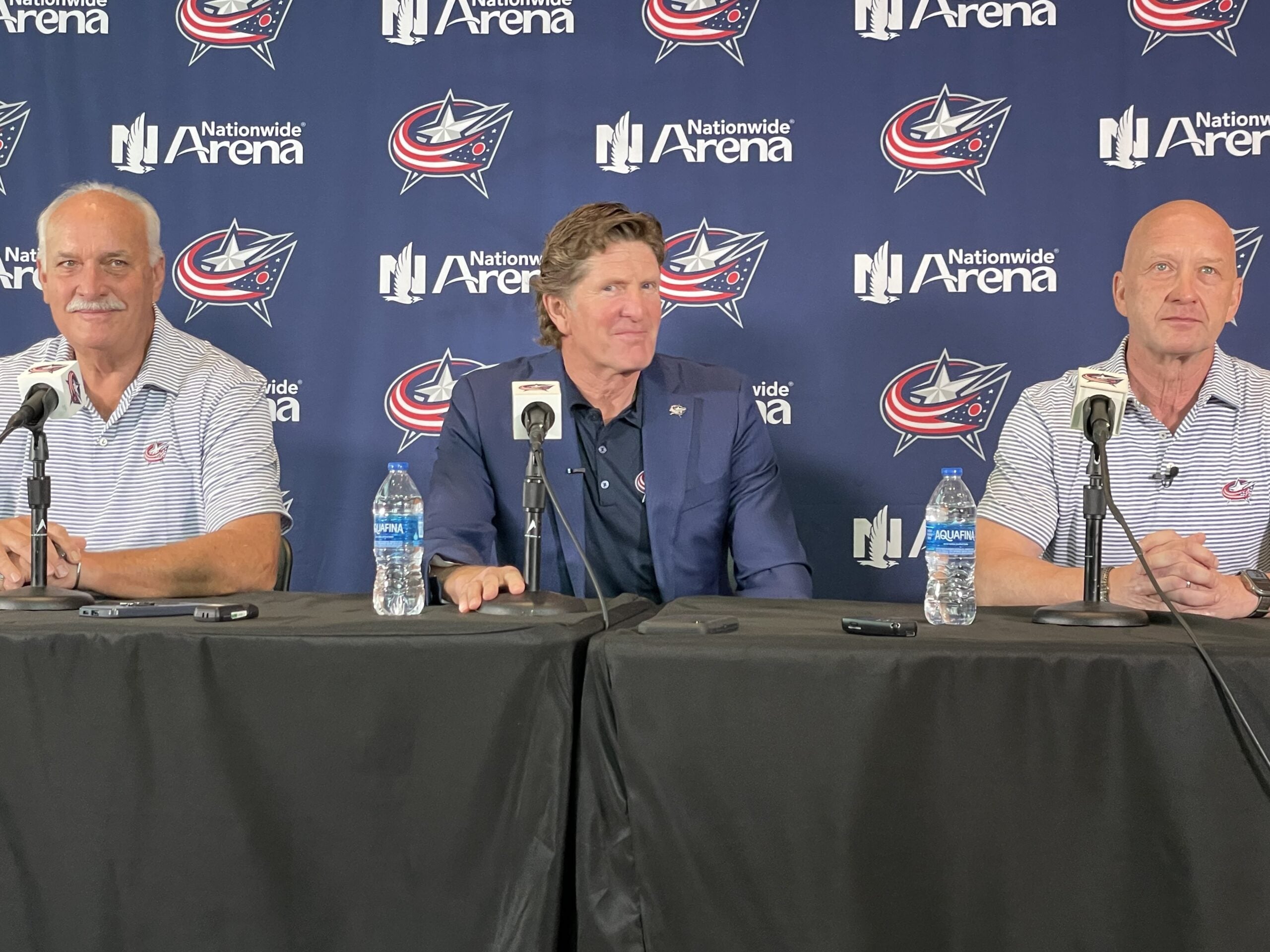
In an interesting analysis of the Maple Leafs’ offseason, one point stood out clearly. New general manager John Chayka and senior advisor Mats Sundin have spent much of the summer rebuilding the team around Matthews. That commitment has been evident in almost every major move they’ve made.
But it raises an interesting question. Have the Maple Leafs now done enough to give their captain every chance to succeed, leaving the responsibility squarely on Matthews?
The Maple Leafs Have Changed Almost Everything Around Matthews
The first thing that jumps out is just how much has changed since last season ended. Toronto has a new general manager, a new head coach in Jim Hiller, a revamped coaching staff and a substantially different roster. The organization has even revamped its medical staff. This isn’t the same team Matthews watched limp to the end of the 2025-26 season from the sidelines.
Hiller is particularly interesting because he already knows Matthews from his previous time with the Maple Leafs. While he developed a reputation as a defensive coach with the Los Angeles Kings, his background also includes offensive work, the power play and analytics. Matthews should also have plenty of experienced voices around him, with Sundin and Daniel Alfredsson now part of the organization. Sundin, in particular, understands what it means to be a No. 1 pick trying to live up to enormous expectations in Toronto.

Then there are the changes on the ice. The arrival of Gavin McKenna gives Matthews another potentially elite offensive weapon, while Darren Raddysh brings something Toronto hasn’t consistently had from its defence during Matthews’ career: a defenceman with a legitimate shooting threat from the point. Sergei Bobrovsky gives the team an experienced goaltender capable of carrying a significant workload, while the revamped bottom six should allow Hiller to give players more defined jobs. Taken together, Chayka has built a team designed to take some of the burden off Matthews while giving him more opportunities to produce.
Matthews Has Plenty of Reasons to Be Motivated
There is another side to all of this, though. Matthews is entering a particularly important stage of his career. He has two years remaining on his contract, and after last season ended the way it did, there will be enormous attention on what he does next.
The pressure isn’t simply about his future in Toronto. The salary cap is rising, and elite NHL players are getting paid accordingly. If Matthews returns to the kind of goal-scoring form that made him a Rocket Richard Trophy winner, he puts himself in an excellent position for his next contract, whether that eventually comes from Toronto or somewhere else. But another couple of seasons below his established standard could create an entirely different conversation about his future and negotiating leverage.

That makes this season about more than simply getting healthy and having a good year. Matthews needs to remind everyone why he has been one of the NHL’s premier goal scorers for most of his career. He also needs to lead a revamped Maple Leafs team that was built to get back into the playoff picture. After watching the organization make so many changes around him, Matthews now has a pretty clear opportunity to respond.
What’s Next for the Maple Leafs?
The interesting part is that the Maple Leafs have clearly built this team around their star. Chayka and Sundin have changed the supporting cast, Hiller brings a fresh approach behind the bench, and additions like McKenna and Raddysh give Matthews offensive weapons he hasn’t had in Toronto before. The message is clear: the organization has done its part to put its captain in a position to succeed.
But ultimately, the biggest change might be the expectations surrounding Matthews himself. For years, the Maple Leafs have been trying to find the right combination of players and coaches to help their captain. This summer, they made another major attempt to do exactly that.
Now comes the hard part: what Matthews does with it. The organization has changed. The roster has changed. The coaching staff has changed. The captain is still the same. And with two years left on his contract, this may be one of the most important seasons of Matthews’ Maple Leafs career.
Free Newsletter
Get Toronto Maple Leafs coverage delivered to your inbox
In-depth analysis, breaking news, and insider takes - free.
Subscribe Free →