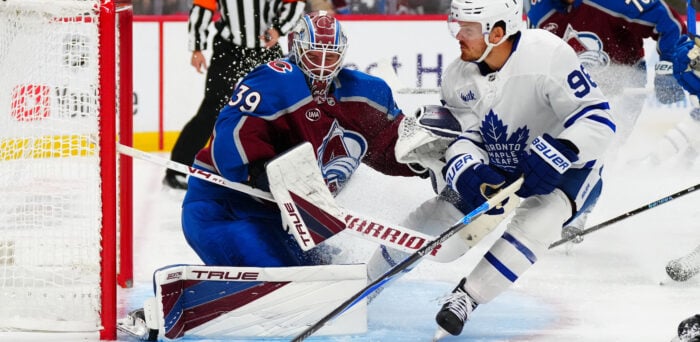
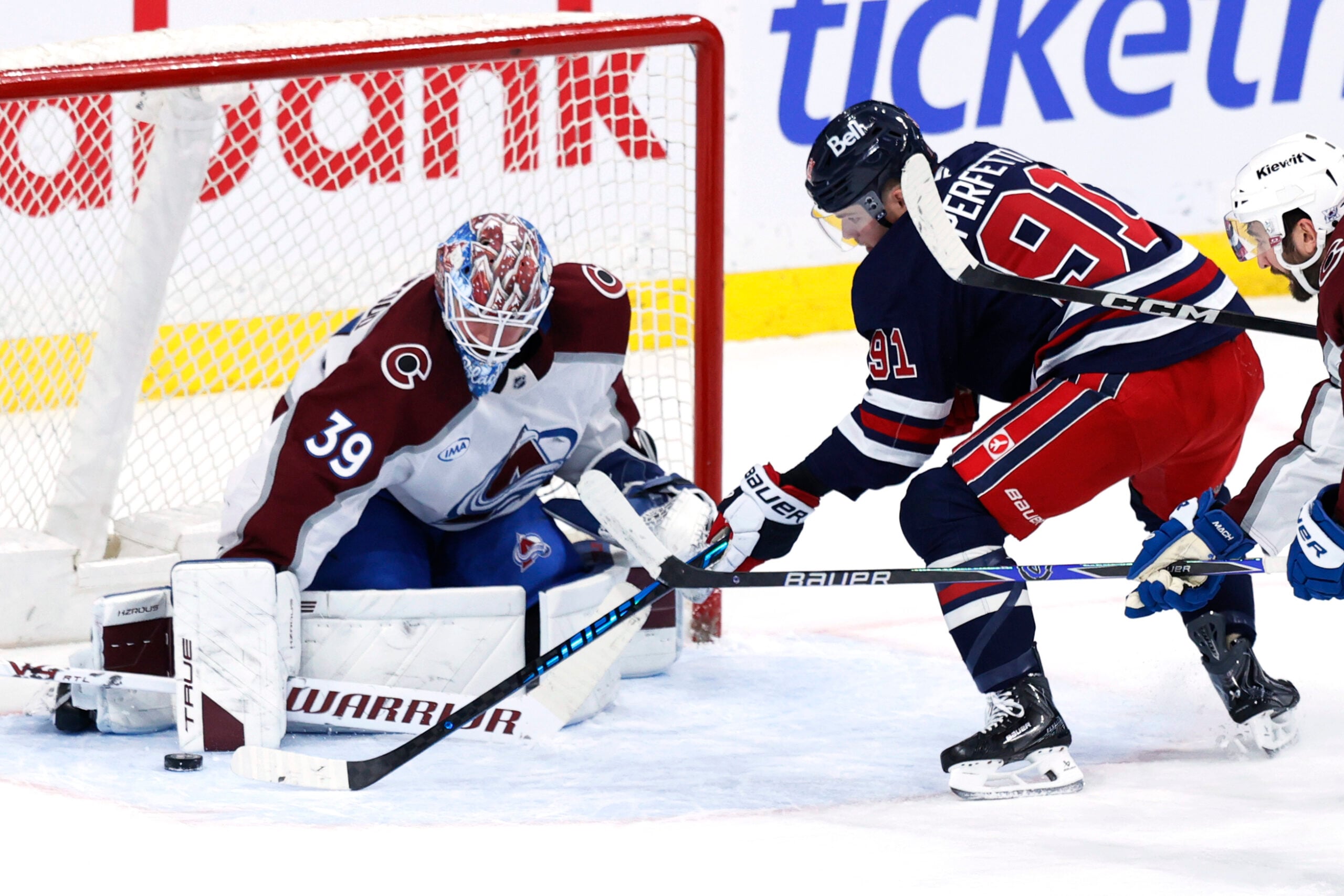
The Colorado Avalanche put 34 shots on goal in Winnipeg and came away with nothing. Honestly, this is the kind of result that sends you straight to the box score, looking for an explanation. Colorado had enough of the game to win it. Then one late chance changed everything.
Kyle Connor scored with 60 seconds left in regulation on Oct. 7, giving the Winnipeg Jets a 3-2 victory. As Colorado Hockey Now’s game report noted, it was only Winnipeg’s second shot of the third period. The Avalanche had kept the shots coming the other way to a minimum, yet still lost.
The Avalanche rebounded with a 7-3 win in Calgary the following night. This makes the Winnipeg lesson easier to isolate (keep what worked, but then examine the decisions that wasted it). A victory does not erase the value of protecting a tied game.
Avalanche’s Shot Advantage Had a Limit
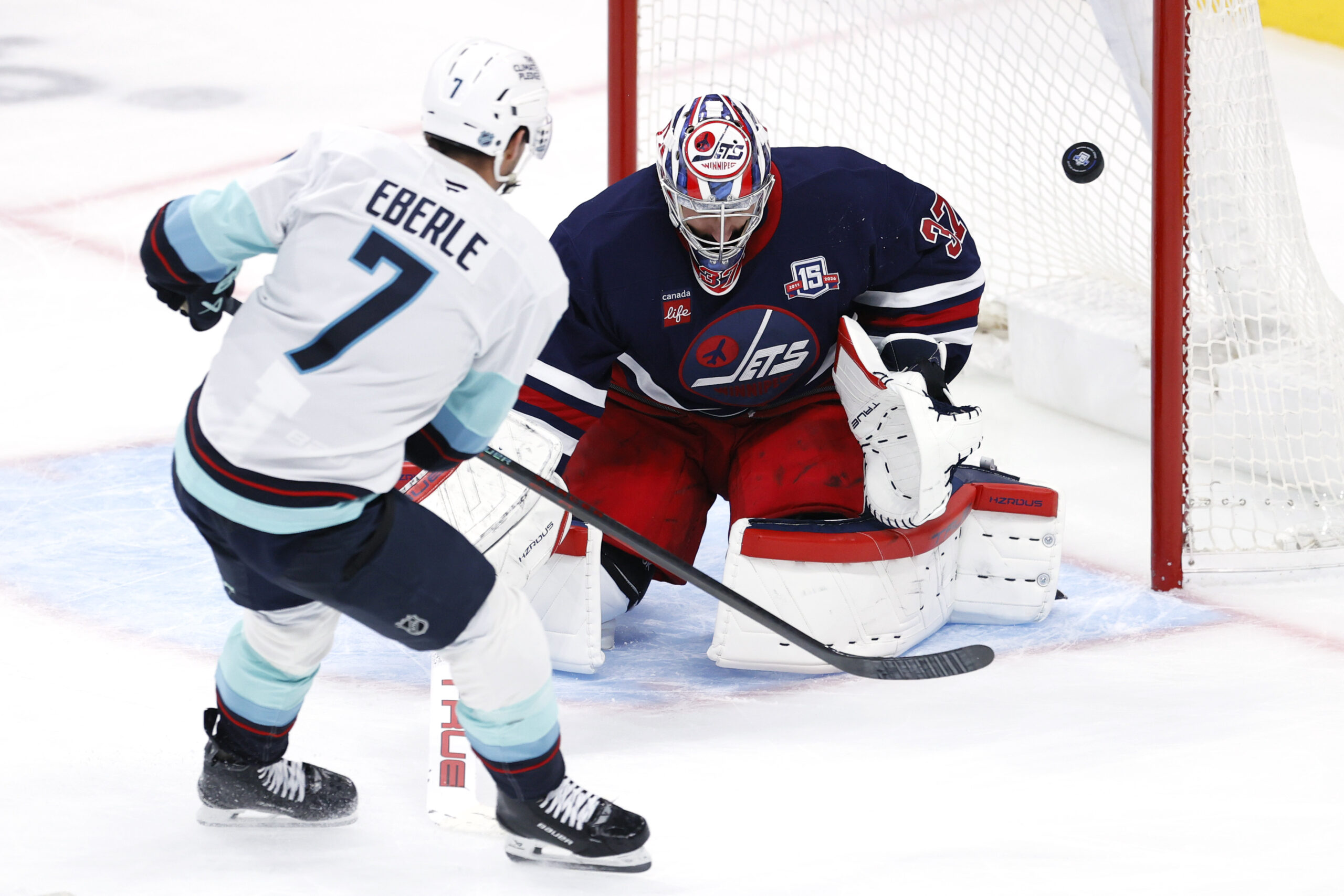
The Avalanche outshot the Jets 17-6 in the first period. That is an encouraging start in the road, but it also left the teams tied. Every save bought Winnipeg another opportunity to get comfortable, and Stuart Skinner finished with 32 saves. Sometimes the opposing goalie earns his share of the explanation.
The total also tells us less than it seems to. A shot from the outside and an uncontested attempt from the slot each count as one. Without a breakdown of chance quality, the 34-shot figure cannot prove Colorado deserved a particular score. It shows pressure, not a guarantee.
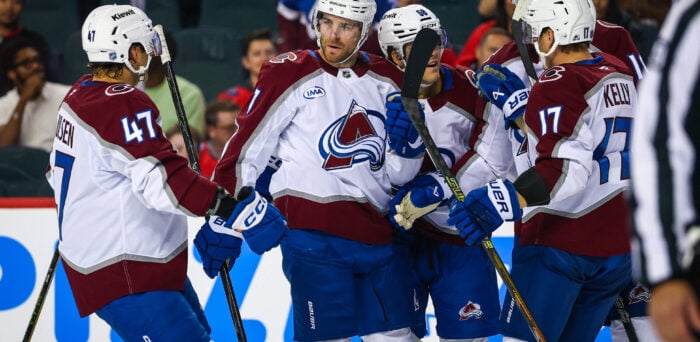
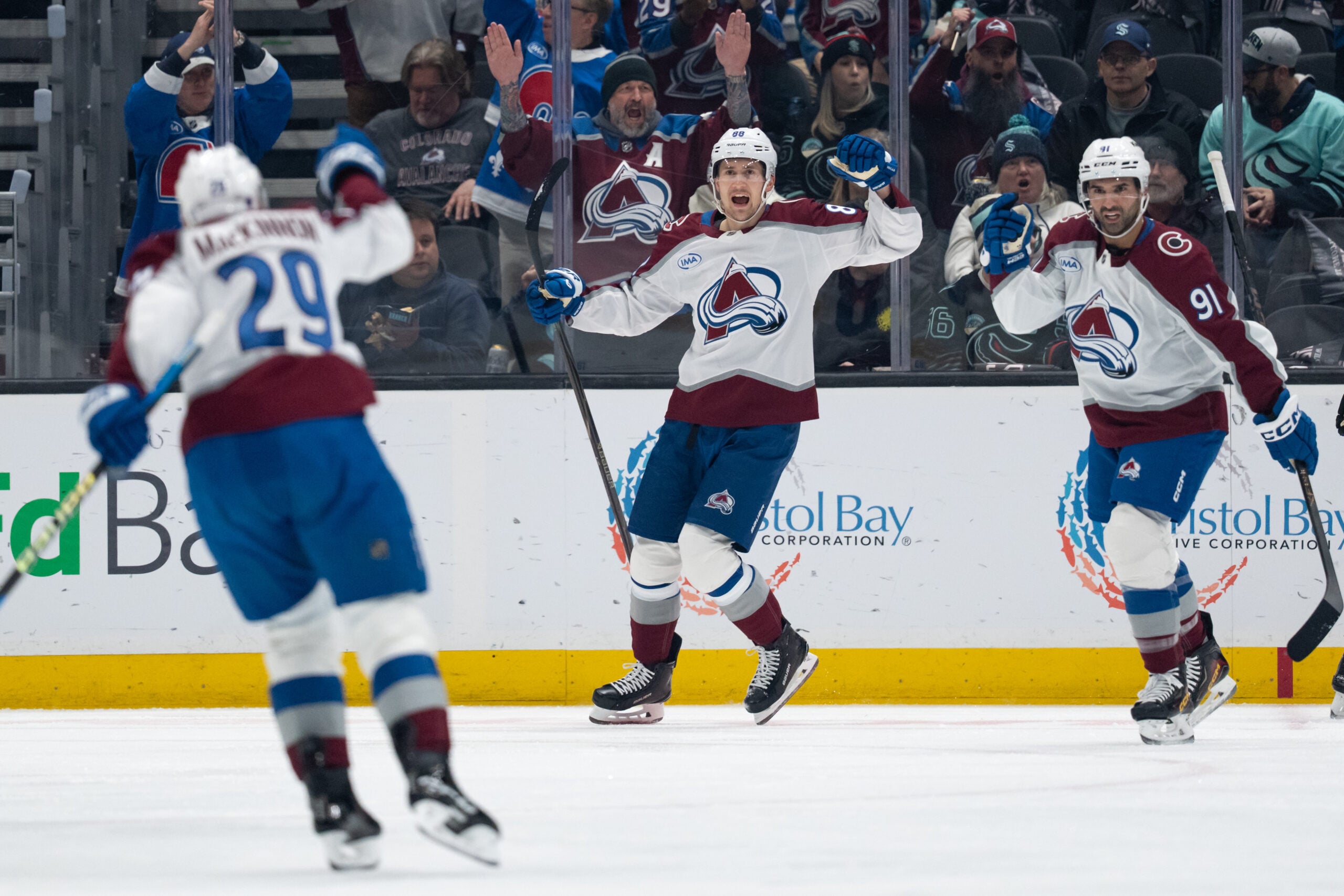
There was something useful underneath the frustration, too. Jaden Schwartz and Fedor Svechkov supplied Colorado’s goals. Getting offense from that part of the lineup matters when the bigger names cannot find a way through. It gave the Avalanche a chance to rescue the night instead of simply waiting for their stars.
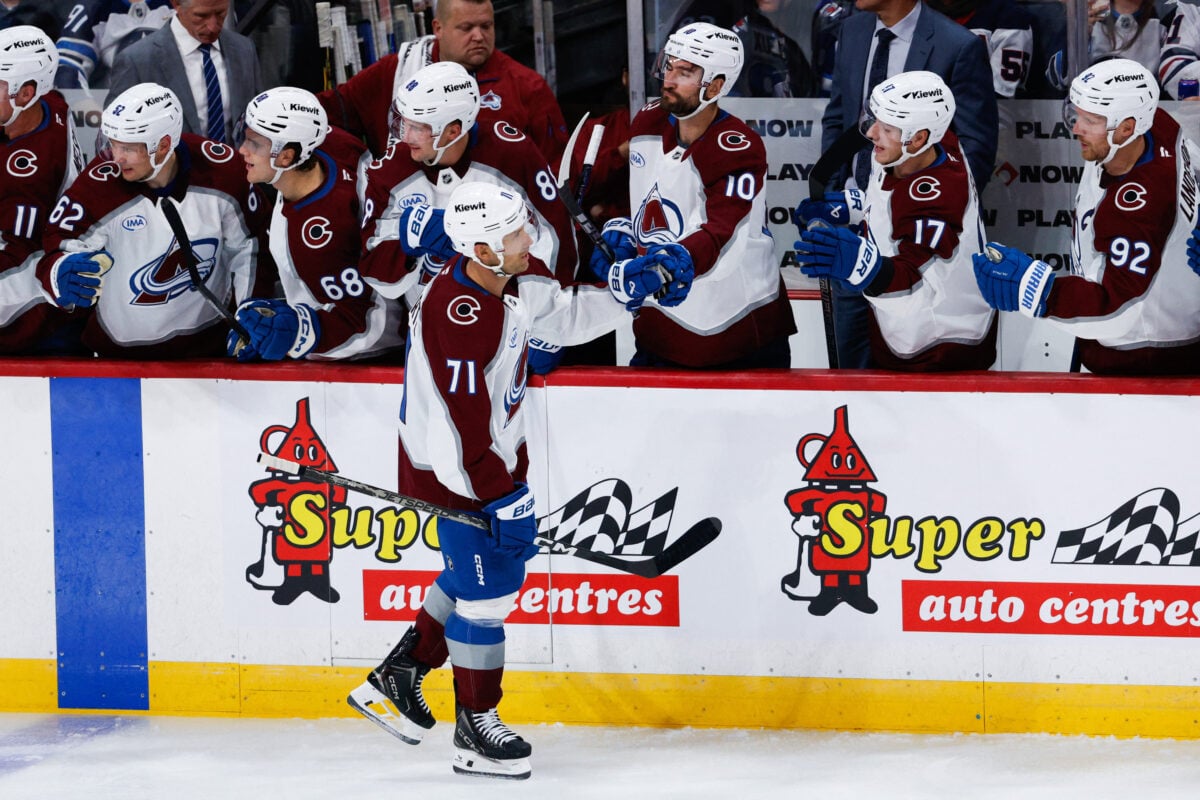
Schwartz then set up Svechkov’s equalizer at 12:35 of the third. Colorado had worked its way back to a tie with enough time to chase a winner. The challenge was keeping that ambition connected to what happened behind the puck.
Connor’s winner came from a rush, with Mark Scheifele supplying the pass. That detail matters more than Winnipeg’s quiet shot counter. A team can spend long stretches without threatening and still become dangerous immediately when a skilled finisher gets room. Colorado cannot let a low total become a false sense of security.
The Avalanche Need to Protect Their Work
The response should begin with the decisions that make a counterattack possible. Before a defenseman steps forward to keep a puck alive, somebody must be positioned to cover. Before a forward tries a difficult pass, there should be an answer for what happens if it does not connect.
That is the other side of the puck-recovery work discussed in THW’s look at Colorado’s early success. Extending an attack is valuable. Knowing when to put the puck somewhere safer is important as well. The right choice changes with the support available and the time remaining.
Playing carefully does not mean spending the final minutes backing into your own end. Colorado should still attack when the opening is there. It should make Winnipeg work for its next possession, rather than offer the kind of quick transition that can turn a tied game into a regulation loss. At 2-2, reaching overtime would at least have preserved a point and kept a second one in play.
Jared Bednar’s response was measured (Colorado would address its weaknesses and build on what it did well). This is the right balance. Keep the pressure, appreciate the depth scoring, and sharpen the decisions late in a tie. The Avalanche had done plenty of work in Winnipeg. The next step right now is to keep ensuring that work serves the final minute.
Free Newsletter
Get Colorado Avalanche coverage delivered to your inbox
In-depth analysis, breaking news, and insider takes - free.
Subscribe Free →