Mike Babcock does not get much of a laboratory before his first season behind the Edmonton Oilers’ bench. He gets four preseason games, eight days and a forward group with enough interchangeable pieces to make every experiment matter.
Edmonton opens its preseason schedule against the Winnipeg Jets on Sept. 19 and finishes against the Calgary Flames on Sept. 26. Three days later, the regular season begins against the Vancouver Canucks. That condensed timeline means Babcock cannot spend weeks cycling through combinations without eventually committing to something.
The good news is that he does not need to start from scratch. Edmonton already discovered two combinations with encouraging results last season, while its offseason additions created the pieces for a third line that could handle an entirely different assignment. Matt Savoie with Connor McDavid and Zach Hyman, Vasily Podkolzin with Leon Draisaitl and Kasperi Kapanen, and Mathieu Joseph with Jason Dickinson and Colton Dach should all receive meaningful preseason auditions.
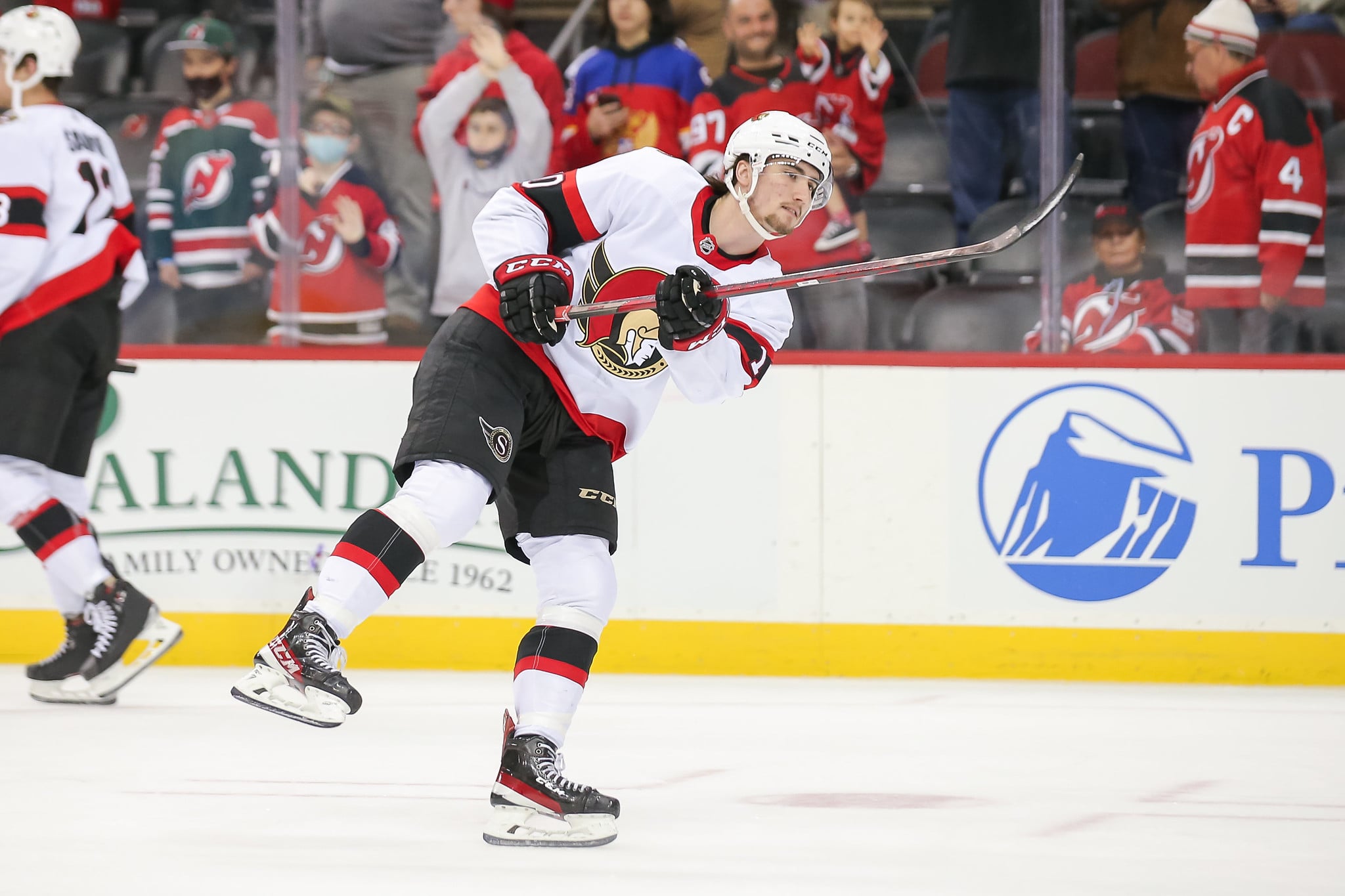
1. Matt Savoie – Connor McDavid – Zach Hyman
The easiest experiment for Babcock is barely an experiment at all. Savoie finished last season beside McDavid and Hyman, and the early evidence suggested Edmonton may have stumbled into a line worth keeping. According to Savoie’s 2025-26 report card, the trio outscored opponents 5-1 at five-on-five across 79:40 together.
The chemistry became increasingly visible late in the season. Savoie recorded his first NHL hat trick in Edmonton’s regular-season finale against Vancouver, with McDavid assisting on all three goals. After the 6-1 victory, McDavid acknowledged that he and Savoie were beginning to understand each other better after receiving an extended run together.
That is exactly the type of chemistry Babcock should resist disrupting simply because a new coaching staff has arrived. Savoie gives McDavid something Edmonton has continually searched for on his wing: enough speed to remain involved when McDavid accelerates through the neutral zone, and enough skill to turn those rushes into offence. Hyman provides the complementary element by attacking the crease, retrieving pucks and creating space around the net.
The combination also distributes the responsibilities naturally. McDavid controls possession and creates entries, Savoie can attack open ice, and Hyman works inside the more congested areas. Nobody needs to fundamentally change his game to make the trio function.
Savoie should benefit most if Babcock commits to an extended audition. His rookie season included 18 goals and 37 points, but his production increased significantly late in the season as Edmonton trusted him with more important offensive minutes.
There will be a temptation to move Savoie around because of his versatility. He killed penalties last season and demonstrated that he could function lower in the lineup, making him an easy player to use as a solution whenever another combination needs help.
Babcock should first determine whether Edmonton already has something more valuable. A genuine first-line winger on an inexpensive contract would solve one of the Oilers’ recurring roster problems without requiring another trade. Give Savoie two or three preseason games with McDavid and Hyman and determine whether their late-season chemistry survived the summer. If it does, opening night should not require much discussion.
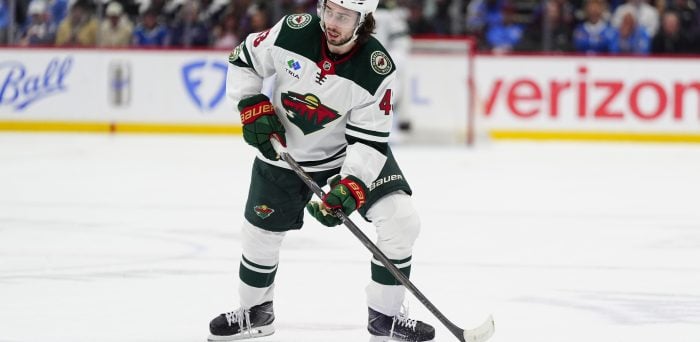
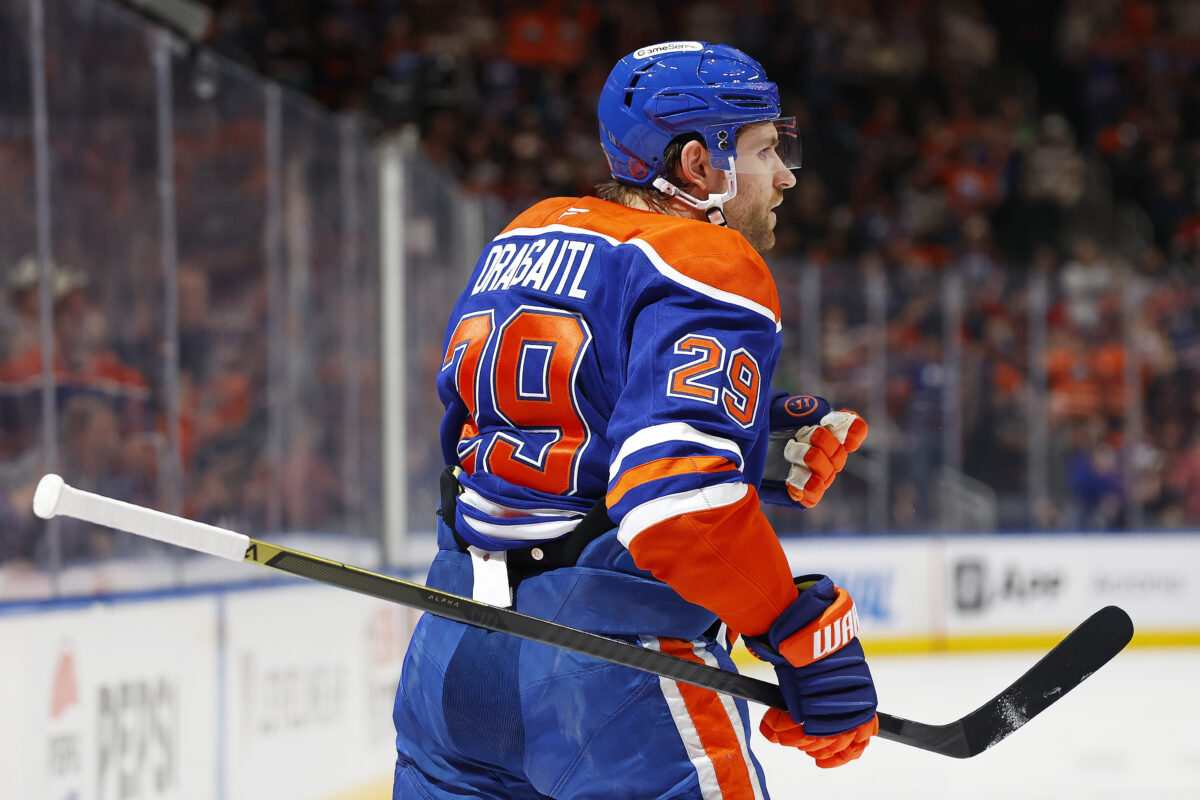
2. Vasily Podkolzin – Leon Draisaitl – Kasperi Kapanen
Edmonton spent years treating the possibility of McDavid and Draisaitl playing together as its emergency button. Keeping them apart becomes considerably easier when Draisaitl has a line capable of controlling games on its own. Podkolzin, Draisaitl and Kapanen showed during last season’s playoffs that they can do exactly that.
The trio became arguably Edmonton’s most effective line during its six-game loss to the Anaheim Ducks. THW’s three playoff stars noted that Edmonton outscored Anaheim 10-5 with Podkolzin on the ice at five-on-five while controlling the shot battle 59-49. The Podkolzin-Draisaitl-Kapanen combination was described as Edmonton’s best line of the series. Those results deserve more than being filed away as something that happened during one short playoff run.
Podkolzin and Kapanen complement Draisaitl in different ways. Podkolzin brings strength along the walls, forechecking pressure and a willingness to recover pucks, while Kapanen adds straight-line speed and another player capable of advancing possession quickly through the neutral zone.
Neither requires the puck for long stretches. That leaves Draisaitl free to dictate possession while his wingers attack space and do much of the retrieval work around him.
Podkolzin is also coming off career highs of 19 goals and 37 points. His development into a more dangerous five-on-five scorer makes maintaining the combination more attractive than it would have been one year ago.
Kapanen’s situation is similarly interesting. Edmonton brought him back on a one-year contract, and he has bounced throughout the lineup during his Oilers tenure. Establishing him beside Draisaitl would finally give him a defined job rather than using him as a utility winger whenever another line needs speed.
Keeping these three together would have a larger structural benefit. It would give Edmonton two dangerous scoring lines without using McDavid and Draisaitl on the same unit.
Babcock can always reunite his superstars when Edmonton needs a goal or a matchup demands it. Starting with them apart forces opponents to choose which centre receives the more favourable defensive assignment and prevents the Oilers from becoming dependent on one overloaded line. That is worth testing before the regular season begins.
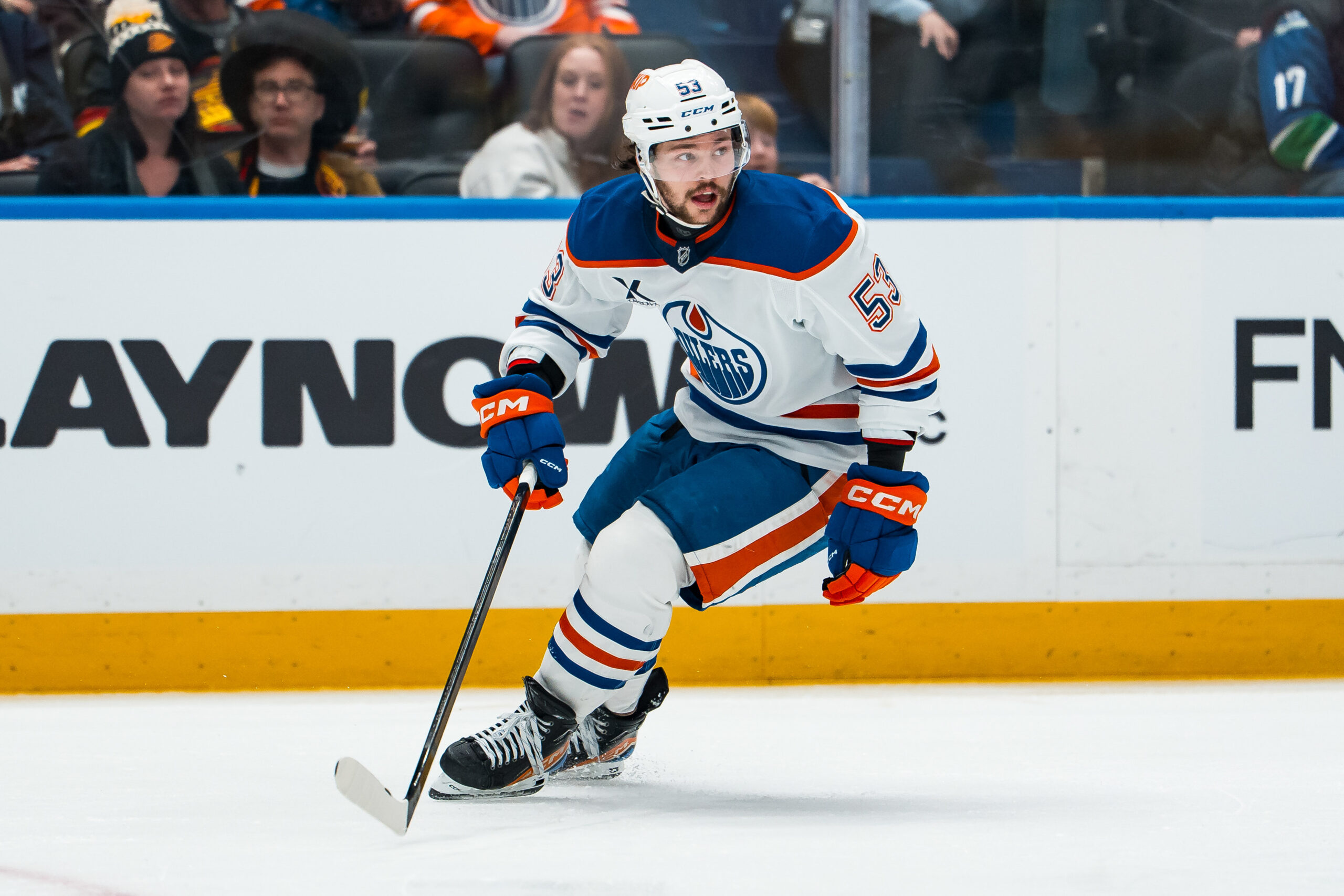
3. Mathieu Joseph – Jason Dickinson – Colton Dach
The third combination is where Babcock can actually build something new. Joseph, Dickinson and Dach are not going to match the offensive ceiling of Edmonton’s first two lines. They could give the Oilers something nearly as useful: a unit Babcock can deliberately send over the boards against difficult competition.
Dickinson is the natural centrepiece. Edmonton acquired him from the Chicago Blackhawks at the trade deadline specifically to stabilize its bottom six, and his 2025-26 season report card highlighted the defensive responsibility and penalty-killing value he provided immediately.
The Oilers clearly believe that role has staying power. Dickinson signed a five-year extension worth $4 million annually, giving Babcock an established defensive centre around whom he can construct a matchup line.
Joseph would add speed to it. Edmonton signed the veteran winger to a one-year deal as part of its July 1 roster changes. His offensive production declined last season, but his skating and penalty-killing background offer traits that fit particularly well beside Dickinson.
Then there is Dach, who provides the edge. Edmonton acquired Dickinson and Dach together in the Chicago trade, and Dach quickly introduced himself as one of the most physical players on the roster. He finished the season with 219 hits in 61 games between Chicago and Edmonton, including 30 in only eight regular-season appearances after joining the Oilers.
Those three skill sets fit together almost like a checklist. Dickinson supplies positioning and matchup experience, Joseph supplies pace, and Dach supplies forechecking pressure and physicality.
That could allow Babcock to use the line differently from a traditional bottom-six unit. Instead of merely surviving the minutes when McDavid and Draisaitl rest, Joseph-Dickinson-Dach could begin shifts against opposing top lines and attempt to tilt the matchup before Edmonton’s stars return.
There would be offensive limitations. Joseph scored only two goals last season, Dickinson is not a high-volume scorer, and Dach remains early enough in his career that his offensive ceiling is unclear. Preseason exists to answer whether the rest of the package compensates for those concerns.
The line could also free Ryan Nugent-Hopkins for more offensive deployment rather than automatically asking him to absorb every difficult matchup outside Edmonton’s top six. Babcock has spoken about creating greater organizational depth, and building a third line with an actual specialty would be one way to accomplish it.
Dach will face competition from Josh Samanski, Trent Frederic, Mattias Janmark and others for minutes, so nothing should be predetermined. Still, Joseph-Dickinson-Dach has enough stylistic balance to deserve at least one full preseason game together.
Babcock Should Use Preseason to Find an Identity
Four preseason games are not enough to discover every answer. They are enough to decide which questions are worth carrying into the regular season.
The first two combinations give Edmonton something familiar. Savoie-McDavid-Hyman showed genuine five-on-five chemistry late last season, while Podkolzin-Draisaitl-Kapanen delivered when the Oilers desperately needed a functioning second line in the playoffs.
Joseph-Dickinson-Dach would be the new wrinkle. Instead of building a third line from whichever forwards remain after the top six is settled, Babcock could deliberately create a matchup unit with a defined identity.
There will be plenty of reasons to shuffle the deck once the season begins. Injuries happen, young players force their way into larger roles, and McDavid with Draisaitl will always remain Edmonton’s most powerful in-game adjustment.
Babcock does not need to solve the entire lineup in September. He should leave preseason knowing whether Edmonton can begin the season with two separate scoring lines and a third unit constructed to make life difficult for the opposition. With only four exhibition games available, those experiments should start immediately.
Free Newsletter
Get Edmonton Oilers coverage delivered to your inbox
In-depth analysis, breaking news, and insider takes - free.
Subscribe Free →